
International Export Sea Freight Services in India
“Export sea freight” refers to the transportation of goods by sea from one country to another. It is a crucial element of global trade, allowing businesses to send large quantities of goods across oceans to reach international markets.The process typically begins with the shipper preparing the cargo for export, which includes proper packaging, documentation, and compliance with international trade regulations. Once the cargo is ready, it is transported to the port of departure where it undergoes inspection and clearance procedures before being loaded onto the vessel. Upon arrival at the destination port, the cargo goes through customs clearance and is then transported to its final destination, often via road or rail networks. Export sea freight offers a cost-effective and reliable means of shipping goods globally, facilitating international trade and commerce. Here’s a brief overview of key aspects related to export sea freight:

- Cost-Effectiveness:Sea freight is often considered a cost-effective option for transporting large volumes of goods over long distances. It is particularly suitable for heavy or bulky items.
- Containerization:Goods are typically transported in standardized containers, facilitating the loading and unloading process and enhancing the security of the cargo during transit.
- Global Trade Backbone:Sea freight serves as a backbone of global trade, connecting major ports worldwide and facilitating trade between nations.
- Transit Times:While sea freight is generally slower compared to air freight, it offers predictability in transit times. Businesses plan shipments based on established schedules.
- Types of Cargo:Sea freight accommodates various types of cargo, including raw materials, finished products, automobiles, machinery, and more.
- Port Infrastructure:Ports play a critical role in export sea freight logistics, equipped with facilities for loading and unloading containers, customs clearance, and other essential services.
- Environmental Impact:Sea freight tends to have a lower environmental impact compared to air freight, making it a more sustainable option for certain types of cargo and longer distances.
- Regulations and Documentation:Export sea freight involves adherence to international regulations and documentation requirements. Proper paperwork and compliance with customs procedures are essential.
- Shipping Lines and Carriers:Various shipping lines and carriers operate globally, offering different routes, schedules, and services. Exporters choose carriers based on their specific shipping needs and destination.
- Intermodal Transport:Sea freight is often part of an intermodal transportation system, seamlessly integrating sea, land, and sometimes air transport for optimized efficiency.
For more details please call us at +91-869-088-7751 or email sales@bluewaveslogistics.com
How We Work

Step 1 – Submit Your Query
Fill the form & submit your requirements so our expert can help

Step 2 – Analysis
Our expert will analysis your requirement & get back with a perfect solution

Step 3 – Stay up to date
After shipment you can get up to date with our live tracking link
Request A Quote
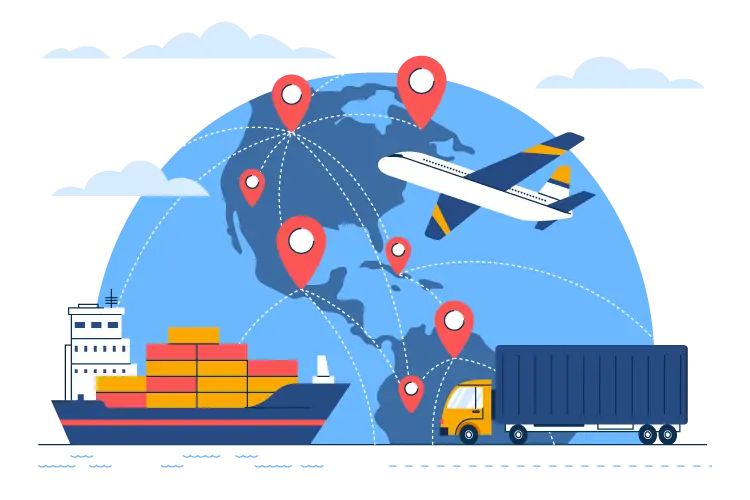
How Export Sea Freight Works
Sea freight is the backbone of Indian exports for volume cargo. Blue Waves Logistics arranges FCL and LCL ocean exports from Mundra and Nhava Sheva (JNPT) to global markets, handling booking, export clearance and door-to-door delivery.
FCL vs LCL Exports
Choose FCL when you can fill a 20ft or 40ft container — it’s faster and lower-risk. Choose LCL for smaller shipments where you pay only for the space used. We consolidate LCL cargo for the best rates.
Indicative Sea Export Transit Times from India
| Destination | From (India) | Indicative Transit |
|---|---|---|
| UAE (Jebel Ali) | Mundra / Nhava Sheva | 5–8 days |
| Singapore | Nhava Sheva / Mundra | 6–10 days |
| Europe (Rotterdam/Hamburg) | Nhava Sheva / Mundra | 18–28 days |
| USA (East/West Coast) | Nhava Sheva | 24–35 days |
Transit times are indicative and vary by carrier, routing and sailing schedule.
Export Clearance Essentials
To export by sea you need an AD Code registered at the port to generate the Shipping Bill. Our CHA team files the Shipping Bill on ICEGATE, manages examination and ensures a smooth “Let Export Order”.
Documents for Sea Export
- Commercial invoice & packing list
- IEC and AD Code registration at the port
- Shipping Bill (filed on ICEGATE)
- Bill of Lading and any commodity-specific certificates / Certificate of Origin
Frequently Asked Questions
How do I get an export sea freight quote?
Share your commodity, weight/volume, origin and destination ports, and Incoterm. We respond with FCL or LCL rates, transit time and the documents required.
Do you handle door-to-door sea export?
Yes. We arrange pickup, export customs clearance, ocean freight and destination delivery as a single door-to-door service under your chosen Incoterm.
What is an AD Code and why is it needed for exports?
An Authorised Dealer (AD) Code is your bank’s code registered at the port of export. It is mandatory to generate the Shipping Bill and receive export proceeds.