
SOC (Shipper Own Container) Shipping in Ahmedabad
SOC stands for ‘shipper-owned container’ and is a metal freight shipping container that is owned by an individual or business and used to ship cargo across long distances We are in used and new container sales, containers supplies for SOC project shipments, static storage and for mobile warehousing. With the help of SOC Container getting freedom from Demurrage and detention charges .
SOC (Shipper Owned Container) refers to a type of container commonly used in the shipping industry. In the context of international trade and logistics, SOC containers are owned by the shipper or the consignor of the goods rather than the shipping line or container leasing company. Here are some key points about SOC containers:
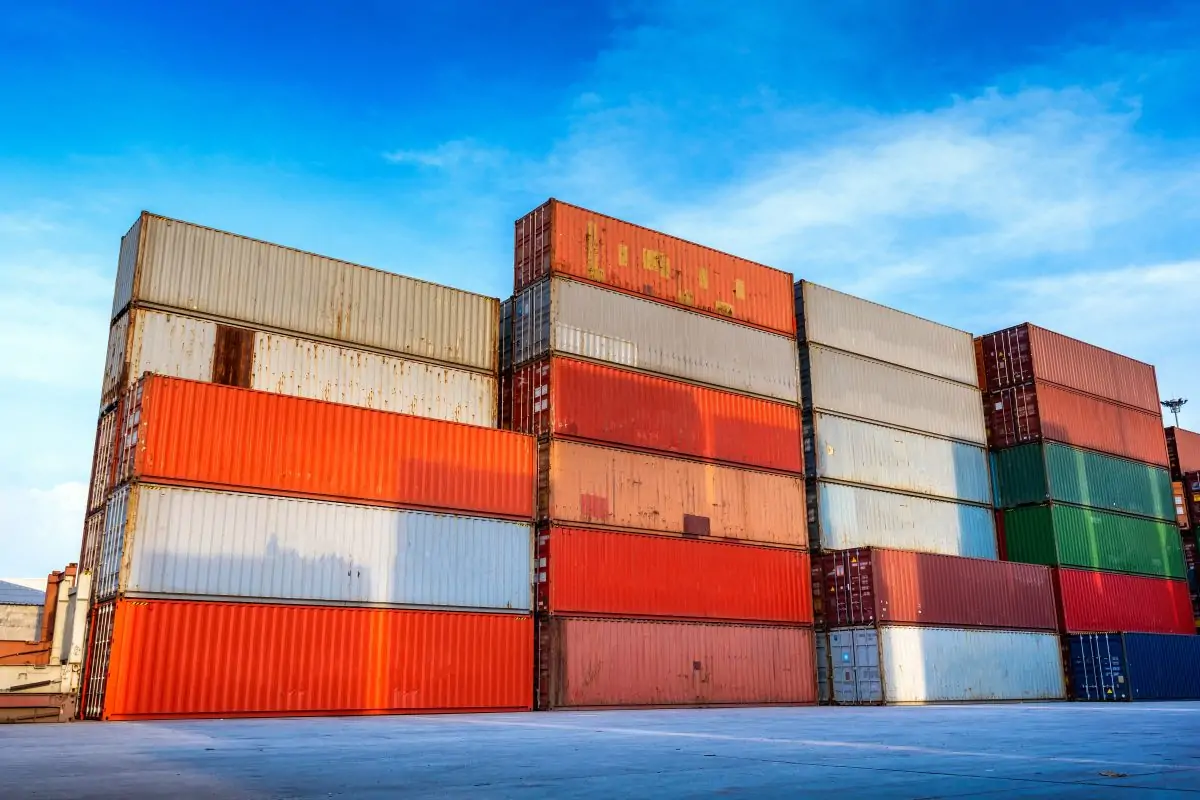
- Ownership:SOC containers are owned and supplied by the shipper or exporter. This is in contrast to containers owned by shipping lines or leasing companies, which are referred to as Carrier Owned Containers (COC).
- Flexibility:SOC containers provide shippers with more control and flexibility over the movement of their goods. Shippers can use their own containers for transporting cargo rather than relying on containers provided by the shipping line.
- Cost Control:Shippers may opt for SOC containers to have more control over costs associated with container use. It allows them to avoid leasing fees associated with using containers owned by the shipping line or leasing companies.
- Customization:Shippers can customize SOC containers based on their specific needs. This may include modifications to accommodate specialized cargo or meet certain regulatory requirements.
- Responsibility for Maintenance:When using SOC containers, the shipper is typically responsible for the maintenance and repair of the containers. This includes ensuring that the containers meet international standards and regulations.
- Booking and Logistics Coordination:Shippers using SOC containers need to coordinate with shipping lines for container bookings and logistics arrangements. The shipping line remains responsible for the transportation of the container from the port of origin to the destination.
- Usage in Specific Industries:SOC containers are often used by industries with specialized cargo, such as those transporting perishable goods, oversized items, or hazardous materials. Shippers may modify the containers to meet the specific requirements of their cargo.
- Documentation:Shippers using SOC containers must provide proper documentation to the shipping line and relevant authorities, including details about the container’s condition, contents, and compliance with international regulations.
- Return Policy:Some shipping lines have specific policies regarding the return of SOC containers. Shippers need to adhere to these policies to avoid additional charges or penalties.
Request A Quote
SOC vs COC Containers — What’s the Difference?
A key decision in container shipping is whether to use an SOC (Shipper-Owned Container) or a COC (Carrier-Owned Container). Blue Waves Logistics helps you choose the most cost-effective option for your trade lane.
| Factor | SOC (Shipper-Owned) | COC (Carrier-Owned) |
|---|---|---|
| Ownership | You (or your forwarder) own/control the box | The shipping line owns the box |
| Demurrage & detention | No carrier detention charges | Detention/demurrage after free days |
| Best for | Remote destinations, long dwell times, container shortages | Standard lanes with good equipment availability |
| Availability | Guaranteed — not dependent on carrier stock | Subject to carrier equipment supply |
Benefits of SOC Containers
- Avoid detention charges — no clock from the carrier on container return
- Guaranteed equipment — beat container shortages on busy lanes
- Flexibility — ideal for destinations with long customs or storage times
- Cost control — predictable costs on imbalanced or remote routes
When Should You Use SOC?
SOC containers make the most sense when shipping to ports with limited carrier equipment, when cargo may sit for extended periods (avoiding heavy detention), or during peak seasons and container shortages. For high-volume standard lanes with plentiful equipment, COC is often simpler. Our team analyses your route, dwell time and volumes to recommend the option that saves you the most.
SOC Container Solutions with Blue Waves Logistics
We arrange SOC container shipping on India’s major trade lanes — combined with our sea freight, customs clearance and door-to-door services — so you get reliable equipment, fewer surprise charges and a single point of accountability.
Frequently Asked Questions
What is an SOC container?
An SOC (Shipper-Owned Container) is a container owned or controlled by the shipper or forwarder rather than the shipping line. It avoids carrier detention charges and guarantees equipment availability, making it ideal for remote destinations, long dwell times and container shortages.
What is the difference between SOC and COC containers?
An SOC is shipper-owned, so there are no carrier detention/demurrage charges and equipment is guaranteed. A COC (Carrier-Owned Container) belongs to the shipping line and is subject to detention after free days and to the carrier's equipment availability.
When should I use an SOC container?
Use SOC for destinations with limited carrier equipment, cargo that may sit for long periods (to avoid heavy detention), or during peak seasons and container shortages. For standard lanes with plentiful equipment, COC is often simpler.