


International shipping is a long journey for any type of cargo. Goods are loaded, stacked, moved, transferred, lifted by equipment, stored at warehouses, transported across countries, handled by multiple teams, and shifted between ships, trucks, and ports. During this large process, a small mistake in packaging, storage, or protection can cause heavy damage. Cargo may break, get contaminated, become unsafe for customs clearance, or get rejected by international regulatory authorities. This is why proper packing methods like Palletisation Fumigation Wrapping play a major role in global logistics, and they support safe and steady cargo movement without damage or delays.
When goods travel across different countries, they follow strict global packaging and safety guidelines. Many countries do not accept freight that contains untreated wooden material, unwrapped pallets, or cargo that can spread pests or bacterial contamination. Customs officers often inspect packaging conditions before allowing goods to enter their country. If packaging is incorrect, cargo may be returned, destroyed, or held at the port, which leads to storage penalties and long business delays. This situation affects supply chain stability and increases cost. So proper packing standards must be followed at the beginning instead of repairing mistakes later.
The Role of Palletisation in International Shipping
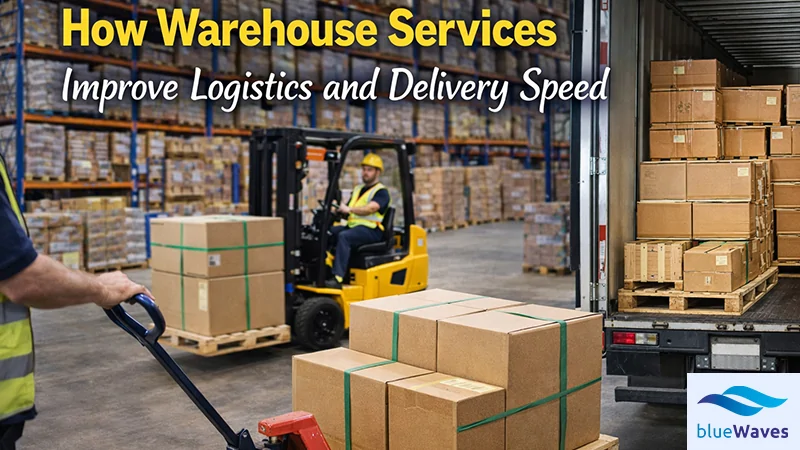
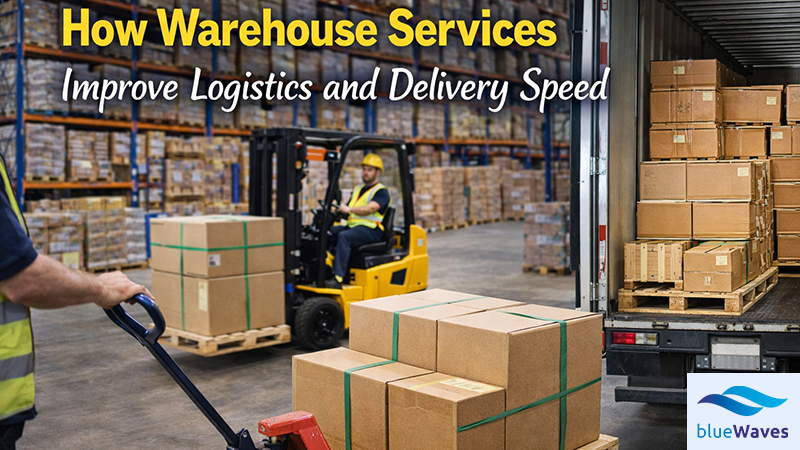
Palletisation is the process of preparing cargo by placing goods on pallets and securing them for smooth movement. Pallets provide a flat and stable platform for stacking, lifting, and transporting materials. When goods are palletised correctly, they remain safe from tilting, falling, and pressure from other cargo.
Palletisation supports large shipments by creating a uniform and organized structure that forklifts and cranes can move easily. During international transport where goods must move between vehicles and storage points many times, palletisation becomes the foundation that holds shipments steady. It supports safety, faster loading, and clean movement through ports and terminals.
Some major advantages of palletisation include:
- Better weight distribution and load balance
- Reduced risk of product damage
- Easy handling with forklifts and pallet trolleys
- Faster loading and unloading time
- Better warehouse stacking space without confusion
- Organized cargo presentation at export customs inspection
The Importance of Fumigation in International Shipping
Fumigation is a process used to treat packaging material, wooden pallets, and cargo to remove insects, pests, bacteria, and fungus. Many countries follow ISPM-15 standards which require wood packaging to be fumigated before entering their borders. Without fumigation, pests can spread into national forests and agricultural land, which causes government penalties and strict rejection.
When cargo is fumigated, it becomes safe for customs approval and prevents contamination during long sea voyages. Moist weather, humidity, and container conditions can increase the chances of microbial growth. Fumigation protects goods from these risks.
Fumigation matters because it:
- Destroys harmful insects and pests inside packaging wood
- Protects goods stored for long periods inside sealed containers
- Avoid rejection of consignments at international ports
- Maintains hygiene standards for food, pharma, and chemical shipments
- Supports safe and clean warehouse storage
Why Wrapping is Needed Along with Palletisation and Fumigation
Wrapping secures cargo tightly to prevent movement during transport. After palletisation and fumigation, goods are wrapped with protective stretch film or shrink wrap. This step keeps cargo stable and seals it against external elements.
Wrapping supports safe international cargo movement by:
- Reducing the risk of moisture entering packages
- Preventing tampering and pilferage
- Protecting surface quality from dust and scratches
- Stabilizing weight on pallets during handling and storage
- Keeping products clean and organized during transit
Why Palletisation, Fumigation, and Wrapping Must Work Together
These three steps support each other and provide full protection for international shipments. Palletisation supports stability, fumigation supports hygiene and regulatory standards, and wrapping provides exterior protection. Without this combination, cargo becomes weak or unsafe at different stages.
This combined system supports:
- Risk prevention rather than damage repair
- Customs clearance without delay
- Faster cargo movement inside ports
- Safe stacking inside warehouses and shipping containers
- Clean supply chain flow without confusion
How These Processes Support Global Supply Chain Efficiency
Strong packing improves every part of the supply chain. It supports faster loading, reduces losses, and creates reliable product flow. For many companies, the cost of correct packing is much lower than the cost of shipment damage, returns, or port penalties.
These processes support:
- Clear cargo identification
- Less time
- Smooth warehouse storage
- Stable freight movement
- Reduced pressure on workers and equipment
- More accurate distribution planning
Why Many Companies Choose Professional Packing Services
Packing cargo for global transport requires knowledge of international rules and correct material handling methods. If the process is done incorrectly, shipment damage cannot be corrected later. That is why many exporters depend on professional teams that work with industrial packaging daily.
Professional Palletisation Fumigation Wrapping Service in India supports:
- Correct pallet sizes and load balancing
- International standard fumigation for customs clearance
- Strong wrapping that protects goods during long shipping routes
- Clean storage space planning
- Fewer problems at handling points
Bluewaves Logistics supports companies that want organized packing solutions instead of taking risks with informal packaging methods.
Why Choose Us
Bluewaves Logistics provides professional support for safe and stable international cargo handling through proper Palletisation Fumigation Wrapping processes. The company works with trained teams that understand how goods behave during long-distance movement, heavy stacking pressure, and multi-stage transportation. Bluewaves Logistics manages pallet preparation, fumigation treatment, stretch wrapping, cargo labeling, and dispatch planning under one system. Many exporters rely on Bluewaves Logistics because the company focuses on simple and practical handling that protects goods and supports clean international customs compliance. Bluewaves Logistics supports industries that require correct packaging for reliable global shipping without packaging-related delays.
Conclusion
International shipping demands clean, organized, and safe cargo packaging that supports long travel conditions, customs inspections, warehouse storage, loading pressure, and temperature changes. Palletisation Fumigation Wrapping provides full protection at every step from factory pickup to final delivery. These processes reduce damage risk, support regulatory standards, and help avoid shipment rejection or extra charges. Many companies depend on professional Palletisation Fumigation Wrapping Service in India to move goods confidently without disturbance. For exporters who work with international supply chains, proper packing is not optional, it is a critical part of business success.
For support with Palletisation Fumigation Wrapping call +91 8690887751 or email sales@bluewaveslogistics.com
Key Takeaways
- International cargo faces multiple handling stages, so strong packing is critical from the start.
- Palletisation keeps goods stable and makes lifting, stacking, and transport safer.
- Fumigation is required to meet global customs rules and prevent pest-related shipment rejection.
- Wrapping protects cargo from moisture, dust, tampering, and movement during transit.
- Using all three processes together reduces damage, delays, and extra costs in global shipping.
FAQs
Why is palletisation important for international cargo?
Palletisation provides stability and makes cargo easier to handle, load, and store during long-distance shipping.
What is the purpose of fumigation in export packing?
Fumigation removes insects and pests from packaging materials and prevents cargo rejection at international customs.
Why do companies use wrapping during palletised shipping?
Wrapping holds cargo tightly on pallets and protects goods from moisture, dust, and surface damage.
Which industries depend most on these packing services?
Industries like engineering, auto parts, electronics, chemicals, food, and pharma depend heavily on these processes.
Why should businesses use a professional packing provider?
A professional service prevents mistakes, supports customs requirements, and protects goods from damage during transport.